

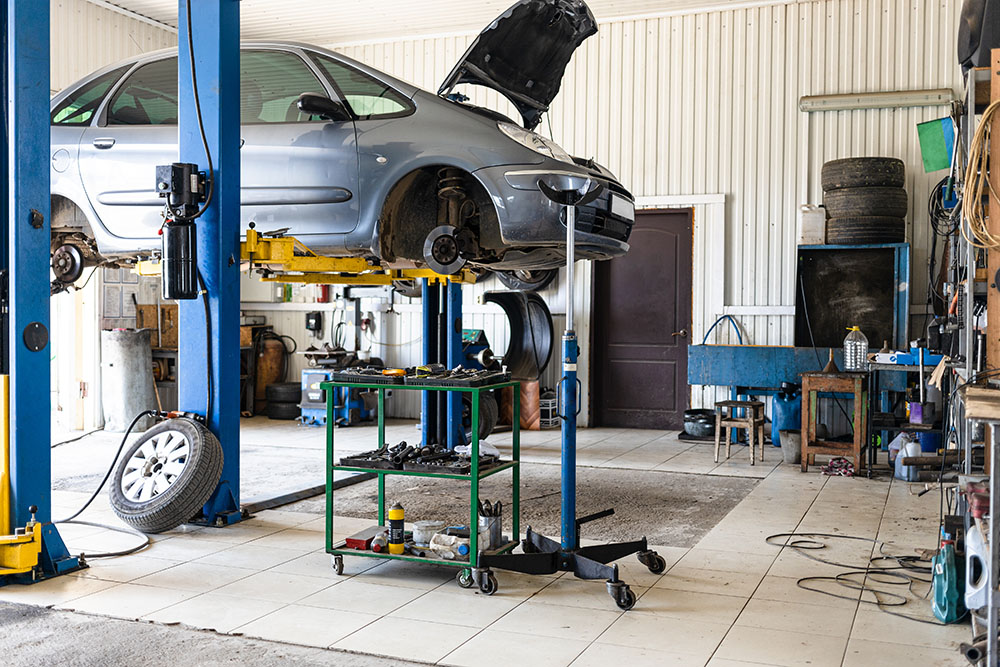
Most drivers don't think about their auto repair shop until something goes wrong. Maybe the brakes start making noise, a warning light appears on the dashboard, or the vehicle simply doesn't feel the way it used to. Other drivers visit their mechanic regularly for preventative maintenance to catch problems before they turn into expensive repairs.
Whatever the reason, an auto repair shop plays an important role in keeping your vehicle safe, reliable, and road-ready.
So, what are the most common reasons people bring their vehicles to an auto repair shop? Here are some of the services and problems mechanics see most often.
1. Brake Problems and Brake Repair
Brake wear is one of the most common reasons drivers need automotive service. Brake pads and other components naturally wear down over time, and eventually they need to be inspected or replaced.
Drivers may visit an auto repair shop because they notice:
- Squeaking or grinding when braking
- A vibrating brake pedal
- Longer stopping distances
- The vehicle pulling while braking
- A brake warning light
Sometimes a brake problem is caught during routine maintenance before the driver notices any symptoms. Regular brake inspections can help identify worn pads, damaged rotors, or other problems before they become more serious.
If you're hearing unusual noises from your brakes, it's better to have them checked rather than waiting for the problem to get worse.
2. Oil Changes and Routine Maintenance
Oil changes are another major reason people visit an auto repair shop. Engine oil helps lubricate moving components, control heat, and carry contaminants away from important engine parts.
Over time, oil breaks down and becomes contaminated, which is why regular oil changes are an important part of preventative maintenance.
Routine maintenance can also provide an opportunity for a mechanic to check other parts of your vehicle, including fluids, brakes, tires, lights, and other components.
Staying on top of maintenance can help catch small problems before they turn into larger auto repair bills.
3. Check Engine Lights and Diagnostics
Few things get a driver's attention faster than a check engine light.
A check engine light can be caused by something relatively simple, such as a sensor or fuel system issue, or it can indicate a more significant engine problem. Because the warning light doesn't tell you exactly what is wrong, professional diagnostics are often necessary.
A mechanic can use diagnostic equipment to identify stored trouble codes and then perform additional testing to determine the actual cause.
If the light is flashing or the vehicle is running poorly, the issue should be addressed promptly.
4. Suspension and Steering Problems
Your suspension system does more than make your ride comfortable. It helps keep your tires in contact with the road and plays an important role in handling and stability.
Drivers may notice suspension or steering problems through:
- Clunking or knocking sounds
- Excessive bouncing
- Uneven tire wear
- Steering wheel vibration
- The vehicle pulling to one side
- A rough or uncomfortable ride
Suspension components wear gradually, so regular vehicle inspections can help identify problems before they affect handling or cause additional damage.
5. Vehicle Inspections
Not every visit to an auto repair shop happens because something is broken.
Vehicle inspections are an important part of preventative maintenance and can help drivers understand the condition of their vehicle.
An inspection can be particularly useful before:
- Buying a used vehicle
- Taking a long road trip
- Winter driving season
- Selling a vehicle
- Registering or moving a vehicle between provinces
A professional inspection gives you an opportunity to identify problems before they become unexpected breakdowns or expensive repairs.
6. Electrical Problems and Warning Lights
Modern vehicles rely heavily on electrical systems. When something goes wrong, the symptoms aren't always obvious.
Drivers may experience:
- A vehicle that won't start
- Flickering lights
- Electrical accessories that stop working
- Battery problems
- Dashboard warning lights
- Intermittent electrical issues
Electrical problems can sometimes be difficult to diagnose because the symptom you notice isn't necessarily where the underlying problem is located.
Professional electrical diagnostics can help identify the source rather than simply replacing parts and hoping the problem goes away.
7. Heating and Air Conditioning Problems
Your vehicle's heating and air conditioning systems are about more than comfort.
In winter, a properly functioning heating and defrost system is important for visibility and safe driving. During the warmer months, a working air conditioning system makes driving much more comfortable.
Common reasons drivers seek heating and AC service include:
- Air conditioning isn't getting cold
- Heater isn't producing enough heat
- Airflow is weak
- Windows aren't defrosting properly
- Unusual smells or noises from the HVAC system
If your heating or air conditioning system isn't performing properly, having it inspected can help identify the cause.
8. Unusual Noises, Vibrations, and Smells
Sometimes the reason for a visit to an auto repair shop is simply that something doesn't feel or sound right.
A new noise, vibration, smell, or change in how your vehicle drives shouldn't automatically be ignored.
Common examples include:
- Grinding noises
- Squealing
- Humming
- Clunking
- Steering wheel vibrations
- Burning smells
These symptoms can have many different causes. A grinding sound, for example, could come from the brakes, wheel bearings, suspension, or another component.
Getting the vehicle inspected early can make it easier to identify the problem and potentially prevent more extensive repairs.
9. Preventative Repairs
Sometimes the best time to visit an auto repair shop is before anything actually breaks.
Preventative maintenance allows a mechanic to identify components that are wearing out and recommend repairs before they fail completely.
This might mean replacing worn brake pads before they damage the rotors, addressing a small fluid leak before it becomes a larger problem, or replacing a component that's showing signs of wear.
Preventative repairs can be easier to plan and budget for than an unexpected breakdown.
When Should You Visit an Auto Repair Shop?
You don't necessarily need to wait for a major problem before making an appointment.
Consider visiting a mechanic if you notice a new warning light, unusual noise, vibration, fluid leak, change in performance, or problem with braking or steering.
It's also worth maintaining a regular service schedule even when your vehicle seems to be running perfectly.
A vehicle that feels fine today can still have components that are wearing underneath the surface. Regular inspections and maintenance help identify those issues before they become bigger problems.
Final Thoughts
People visit an auto repair shop for all kinds of reasons, from routine oil changes and vehicle inspections to brake repair, diagnostics, suspension problems, and unexpected breakdowns.
The important thing is not just fixing problems when they occur. Regular preventative maintenance and early inspections can help you catch issues sooner, keep repair costs more manageable, and extend the life of your vehicle.
If something about your vehicle doesn't seem right, don't assume it will fix itself. A professional inspection can help determine what's happening and whether it needs to be repaired now or can safely wait.
For drivers looking for a trusted Lethbridge mechanic, having a local auto repair shop you can rely on for both routine maintenance and unexpected repairs can make vehicle ownership a lot easier.