

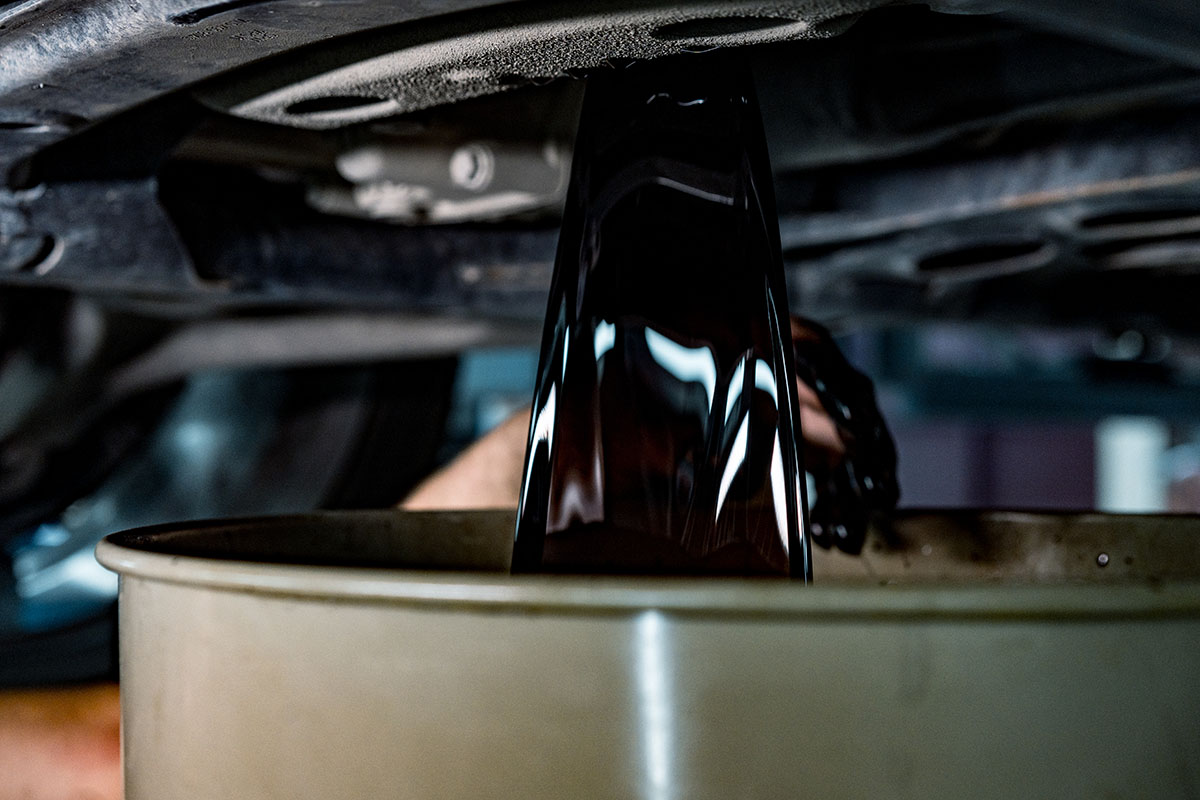
One of the most common questions drivers ask is: How often should you really get an oil change? The answer depends on several factors, including your vehicle, driving habits, oil type, and even the climate you drive in. While older advice often suggested changing your oil every 5,000 km, modern vehicles and synthetic oils have changed those recommendations significantly.
Regular oil changes remain one of the most important forms of preventative maintenance. Clean engine oil protects internal components, reduces wear, improves fuel efficiency, and helps your engine last longer. Ignoring oil changes can eventually lead to expensive engine damage and major auto repair costs.
If you’re unsure when your vehicle is due for service, this guide explains what drivers should know about oil change intervals and why staying on schedule matters.
Why Engine Oil Is So Important
Engine oil does far more than simply lubricate the engine. It plays several major roles in keeping your vehicle running properly.
Clean engine oil helps:
- Reduce friction between moving engine parts
- Prevent overheating
- Carry away dirt and debris
- Protect against corrosion
- Improve fuel efficiency
Over time, oil breaks down from heat, moisture, and contamination. As oil becomes dirty, it loses its ability to properly protect the engine. This increases wear and can eventually cause serious engine problems.
Routine oil changes are one of the easiest ways to extend the life of your vehicle and avoid unnecessary repairs.
The Old “5,000 km Rule” Isn’t Always Accurate Anymore
For years, drivers were told to change their oil every 5,000 km. While that may have been true for older vehicles using conventional oil, many modern engines can safely go much longer between services.
Today, most manufacturers recommend oil changes somewhere between:
- 5,000–8,000 km for conventional oil
- 8,000–12,000 km for synthetic oil
Some newer vehicles can even exceed these intervals under ideal driving conditions. However, distance alone doesn’t tell the whole story.
Driving conditions, weather, towing, stop-and-go traffic, and engine design all affect how quickly oil breaks down.
Synthetic vs Conventional Oil
The type of oil used in your vehicle plays a major role in how often you should schedule an oil change.
Conventional Oil
Conventional oil is more affordable but breaks down faster under heat and stress. Vehicles using conventional oil typically require more frequent oil changes.
Synthetic Oil
Synthetic oil is designed to resist breakdown and perform better in extreme temperatures. It provides improved protection during cold starts and high-heat driving conditions.
Many drivers choose synthetic oil because it:
- Lasts longer
- Improves engine protection
- Performs better in winter
- Helps reduce engine deposits
While synthetic oil changes may cost more upfront, they often help reduce long-term engine wear and maintenance costs.
Driving Habits Matter More Than You Think
Even if you don’t drive very far, your driving habits still affect oil life.
You may need more frequent oil changes if you regularly:
- Drive short distances
- Sit in stop-and-go traffic
- Tow trailers or heavy loads
- Drive in extreme cold or heat
- Frequently idle your vehicle
These conditions place additional stress on the engine and cause oil to degrade faster.
For example, many drivers assume low mileage means their oil is still fine. However, short trips often prevent the engine from fully warming up, which allows moisture and contaminants to build inside the oil.
Warning Signs You May Need an Oil Change
Sometimes your vehicle will show signs that it’s overdue for service. Ignoring these warning signs can eventually lead to engine damage.
Common signs include:
Dirty or Dark Oil
Fresh oil is usually amber in colour. Over time, it becomes darker as it collects contaminants.
Oil Change or Check Engine Light
Modern vehicles monitor oil life and may display a maintenance reminder when service is needed.
Engine Noise
Oil cushions moving engine parts. When oil breaks down, you may notice ticking, knocking, or louder engine sounds.
Burning Oil Smell
A strong oil smell may indicate overheating or leaking oil.
Reduced Fuel Efficiency
Dirty oil creates more friction inside the engine, which can slightly reduce fuel economy.
If you notice any of these symptoms, it’s best to schedule service sooner rather than later.
Can You Trust Your Oil Life Monitor?
Many newer vehicles include oil life monitoring systems that estimate when service is required. These systems track factors like engine temperature, driving conditions, and engine load.
While oil life monitors are useful, they shouldn’t always replace regular inspections. Factors like harsh weather, heavy towing, or long periods of idling can still affect oil quality.
A trusted mechanic can inspect your oil condition and recommend the right interval for your specific driving habits.
Why Delaying Oil Changes Can Become Expensive
Putting off an oil change might not seem like a big deal at first, but over time it can lead to serious engine problems.
Old or contaminated oil can cause:
- Increased engine wear
- Sludge buildup
- Poor engine performance
- Overheating
- Reduced fuel economy
In severe cases, neglected oil changes can even lead to complete engine failure. Compared to the cost of major engine repairs, routine oil changes are extremely affordable preventative maintenance.
How Often Should You Really Change Your Oil?
For most drivers, modern vehicles using synthetic oil can often go between 8,000–12,000 km between oil changes under ideal conditions. Conventional oil typically requires service closer to 5,000–8,000 km.
However, real-world driving conditions are rarely ideal. Short trips, cold Alberta winters, stop-and-go traffic, towing, and temperature swings can all cause oil to break down faster.
That’s why many mechanics still recommend stopping in for an inspection or oil change around the 5,000–8,000 km range, especially if you’re unsure of your oil condition or simply want to avoid unnecessary engine wear. Staying ahead of maintenance is almost always cheaper than dealing with major engine repairs later.
If you can’t remember your last oil change, it’s probably a good time to have it checked.
Final Thoughts
So, how often should you really get an oil change? The truth is there’s no one-size-fits-all answer. Your vehicle, oil type, driving conditions, and maintenance habits all play a role.
What matters most is staying proactive. Routine oil changes protect your engine, improve performance, and help prevent expensive auto repairs later on.
Whether you use conventional or synthetic oil, regular maintenance remains one of the best investments you can make in your vehicle’s long-term reliability.