

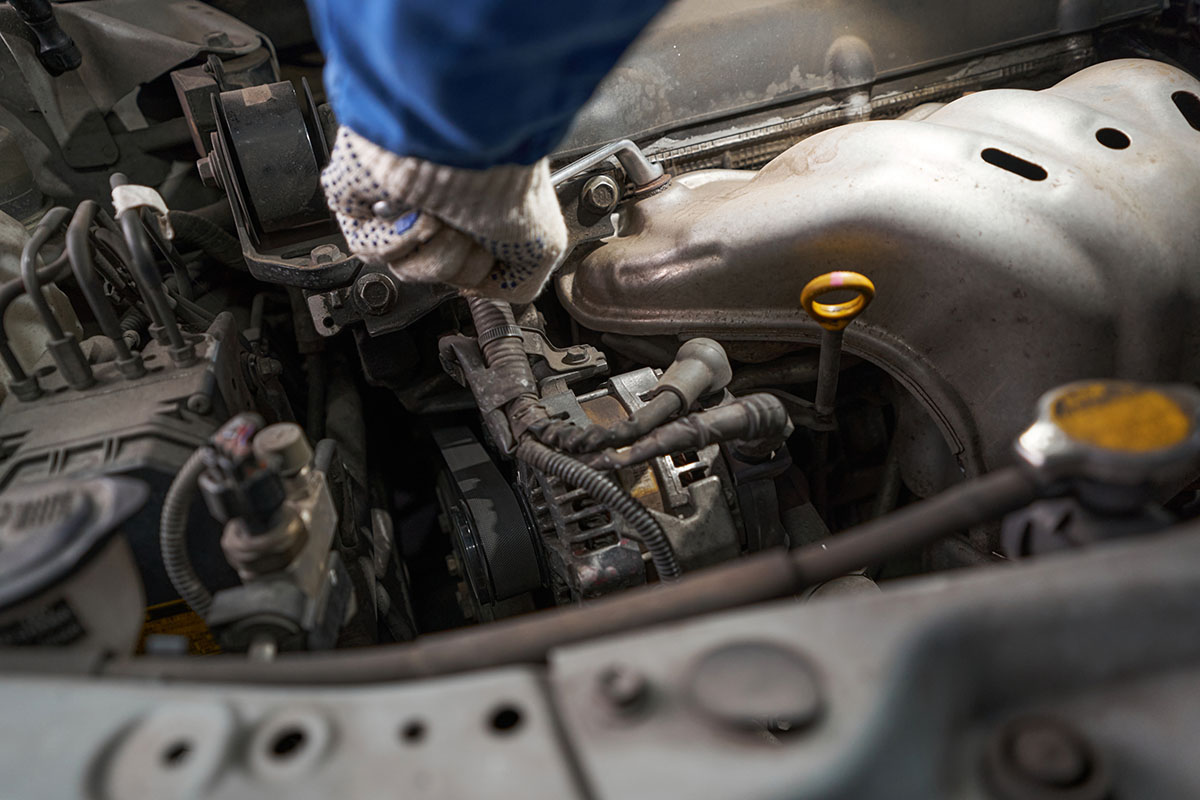
Regular vehicle inspections are one of the most important parts of maintaining your car’s safety, reliability, and long-term performance. While many drivers only think about inspections when required by law or before buying a vehicle, the reality is that routine vehicle inspection checks can prevent costly repairs, improve safety, and extend the life of your car.
So how often should you actually get a vehicle inspection? The answer depends on several factors, including your driving habits, vehicle age, and how you use your car day-to-day. In this guide, we’ll break it down so you know exactly when to schedule your next inspection.
Why Vehicle Inspections Matter
A proper vehicle inspection goes beyond a quick visual check. It involves a thorough review of critical systems that keep your car safe and running efficiently.
During a typical inspection, a mechanic will check:
- Brake components and wear
- Tire condition and pressure
- Suspension and steering systems
- Battery and electrical systems
- Fluid levels and leaks
- Belts, hoses, and filters
Catching issues early through regular inspections can help you avoid expensive breakdowns and ensure your vehicle is safe to drive in all conditions.
General Rule: At Least Once Per Year
For most drivers, a good rule of thumb is to schedule a vehicle inspection once a year. This annual check helps identify wear and tear that naturally builds up over time.
Even if your car seems to be running fine, small issues can develop without obvious symptoms. A yearly inspection ensures these problems are caught early before they turn into major repairs.
Annual inspections are especially important if you:
- Drive daily or commute long distances
- Own a vehicle older than 5 years
- Frequently drive in harsh weather conditions
- Plan to keep your vehicle long-term
Before Seasonal Changes (Especially Winter)
In areas with changing seasons, inspections before major weather shifts are highly recommended. Cold temperatures, snow, and ice can put extra stress on your vehicle.
A pre-winter vehicle inspection typically focuses on:
- Battery performance
- Tire condition (including winter tires)
- Heating and defrost systems
- Fluid levels and antifreeze
- Brake performance
Preparing your vehicle before winter helps reduce the risk of breakdowns and improves overall safety during difficult driving conditions.
Before Long Trips or Road Travel
If you’re planning a long drive or road trip, it’s a smart idea to schedule a vehicle inspection beforehand. Long distances put additional strain on your vehicle, and even minor issues can become major problems on the road.
A pre-trip inspection can help ensure:
- Tires are in good condition
- Fluids are topped up
- Brakes are functioning properly
- There are no hidden mechanical issues
This simple step can save you from unexpected delays and costly roadside repairs.
When Buying a Used Vehicle
One of the most important times to get a vehicle inspection is before purchasing a used car. A pre-purchase inspection can reveal hidden problems that aren’t visible during a test drive.
This type of inspection can identify:
- Previous damage or poor repairs
- Engine or transmission issues
- Worn brake components
- Suspension problems
Spending a little on an inspection before buying can save you thousands in unexpected repairs later.
If You Notice Warning Signs
You shouldn’t wait for a scheduled inspection if your vehicle is showing signs of trouble. If something feels off, it’s best to have it checked right away.
Common warning signs include:
- Unusual noises (squeaking, grinding, knocking)
- Vibrations while driving or braking
- Warning lights on the dashboard
- Difficulty starting the vehicle
- Decreased performance or fuel efficiency
These issues often indicate underlying problems that can be identified during a professional vehicle inspection.
Older Vehicles May Need More Frequent Inspections
As vehicles age, components wear out more quickly. If your car is over 7–10 years old, more frequent inspections may be necessary.
In these cases, consider scheduling a vehicle inspection every 6 months. This helps catch issues early and keeps your vehicle running reliably.
Older vehicles are more likely to experience:
- Brake wear
- Fluid leaks
- Suspension issues
- Electrical problems
Regular inspections help manage these issues before they become serious.
High-Mileage Drivers Should Inspect More Often
If you drive frequently or put a lot of kilometres on your vehicle each year, you may need inspections more often than average.
Drivers who should consider more frequent vehicle inspection checks include:
- Daily commuters
- Delivery or rideshare drivers
- Long-distance travelers
More driving means more wear, so inspections every 6 months can help maintain performance and safety.
How Vehicle Inspections Save You Money
Some drivers avoid inspections to save money, but in reality, regular vehicle inspection checks often reduce overall costs.
By catching problems early, you can:
- Prevent major repairs
- Extend the lifespan of components
- Improve fuel efficiency
- Avoid emergency breakdowns
For example, identifying worn brake pads early can prevent damage to rotors, saving you from more expensive brake repair work later.
Final Thoughts
So, how often should you get a vehicle inspection? For most drivers, once a year is a good baseline, but factors like driving habits, vehicle age, and seasonal changes can require more frequent checks.
The key is to stay proactive. Regular inspections help keep your vehicle safe, reliable, and running efficiently — while also saving you money over time.
If you’re unsure when your last inspection was, it’s always a good idea to schedule one sooner rather than later. A quick check today can prevent a much bigger problem tomorrow.