
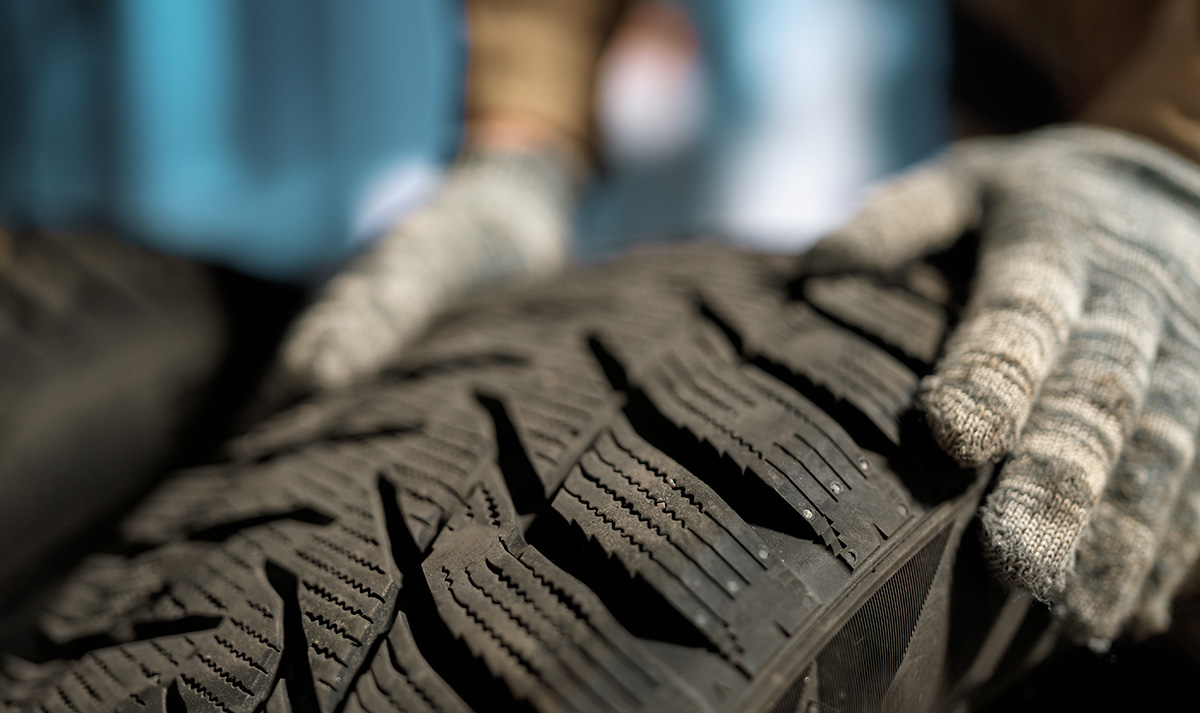
After the first snowfall, it is tempting to think winter tire season is still a few weeks away. In Lethbridge, October can bring a mix of mild afternoons, cold mornings, wind, and sudden changes in road conditions. Even if snow does not stick around, falling temperatures are a good reason to start thinking about your seasonal tire changeover.
Winter tires are not just for deep snow. They are designed to provide better grip in cold conditions, including on roads that look clear but may be icy or slippery. Planning ahead can help you feel more prepared before winter weather becomes more consistent.
Why Temperature Matters More Than the First Big Snowfall
A common misconception is that winter tires are only useful once snow starts accumulating. In reality, the temperature plays an important role in tire performance. Transport Canada explains that below about 7°C, the rubber compounds in summer and all-season tires begin to lose elasticity, which can reduce traction. Winter tires are designed to remain more flexible in colder temperatures, helping them grip the road more effectively.
That matters in October, when overnight temperatures can drop even if the afternoon feels comfortable. A commute early in the morning may involve cold pavement, frost, or isolated slippery patches before the day warms up. Waiting for a major snowfall means you could spend several cold weeks driving on tires that are not suited to those conditions.
Winter tires cannot eliminate every winter driving risk, so slow down and leave extra following distance on slippery roads.
Why Book Your Winter Tire Changeover Early?
You do not need to wait for a deep freeze or a snow-covered driveway to plan your appointment. Booking early gives you more flexibility to choose a time that fits your schedule. It can also help you avoid the rush that often happens when the first major snowfall catches drivers off guard.
Getting organized now is especially helpful if you rely on your vehicle every day, commute early, travel on highways, or need to drive regardless of the forecast. Conditions can change quickly in southern Alberta, and a clear road at the start of a trip may not stay clear for the whole journey.
If you store your winter tires at home, check that they are accessible and that you know where any wheel-lock key or related equipment is kept. If your tires are stored by a service provider, contact them early to confirm the next steps.
Check Your Winter Tires Before Installing Them
Before mounting last season’s tires, take a moment to check their condition. Look for cracks, bulges, cuts, uneven wear, or other visible damage. Tread depth matters too: as tread wears down, a tire’s ability to grip snow and slush decreases. Transport Canada advises against using winter tires with less than 4 mm of tread for driving on snow-covered roads.
Also check the tyre’s age and overall condition, and ask a qualified technician if you are unsure whether it is suitable for another season. Tread depth alone does not tell the whole story.
When fitting winter tires, use a set of four appropriate tires rather than changing only the front or rear pair. Different levels of grip between the front and rear wheels can affect handling and stability. Check the vehicle owner’s manual or tyre information label for the correct size and specifications.
Remember Tire Pressure as Temperatures Drop
Cold weather affects tire pressure. As temperatures fall, pressure can drop too, so a tire that was correctly inflated during warmer weather may need attention later in the season.
Check pressure when the tires are cold and follow the recommended figures in your owner’s manual or on the vehicle’s tire information label, often found on the driver’s door frame. Do not use the maximum pressure printed on the tire sidewall as a substitute for the vehicle manufacturer’s recommendation.
Make pressure checks part of your winter routine, especially before longer drives. Proper inflation supports handling, helps tyres wear more evenly, and contributes to safe operation.
Winter Tires Are One Part of Seasonal Vehicle Preparation
Changing tires is a useful first step, but it is not the only thing worth checking before winter. Brakes, battery condition, lights, wipers, the heater and defroster, and coolant should all be in good working order before colder weather settles in.
If you notice pulling while braking, unusual noises, warning lights, trouble starting, or uneven tire wear, do not assume new winter tires will solve the problem. Those symptoms may point to a maintenance or repair issue that deserves attention.
A seasonal vehicle inspection can help identify concerns before they become more inconvenient in cold weather. It is different from a formal Alberta out-of-province inspection, which has its own requirements, but a general inspection can still be a useful way to check important systems and discuss any concerns with a technician.
Get Ahead of Winter in Lethbridge
The first snowfall is a reminder that winter driving conditions are on their way, even if the roads are clear again the next day. With temperatures dropping, October is a sensible time to check your winter tires, arrange your changeover, and make sure the rest of your vehicle is ready for colder conditions.
If you are unsure whether your current tires have enough tread left or want to address a concern before winter, a qualified mechanic can help you understand your options. Tom & Gerry’s Auto Service helps Lethbridge drivers prepare their vehicles for the changing season. Contact the shop to discuss your vehicle’s maintenance needs and plan ahead before the seasonal rush.
A little preparation now can make the transition into winter easier. You do not have to wait for the next snowfall to get started.