

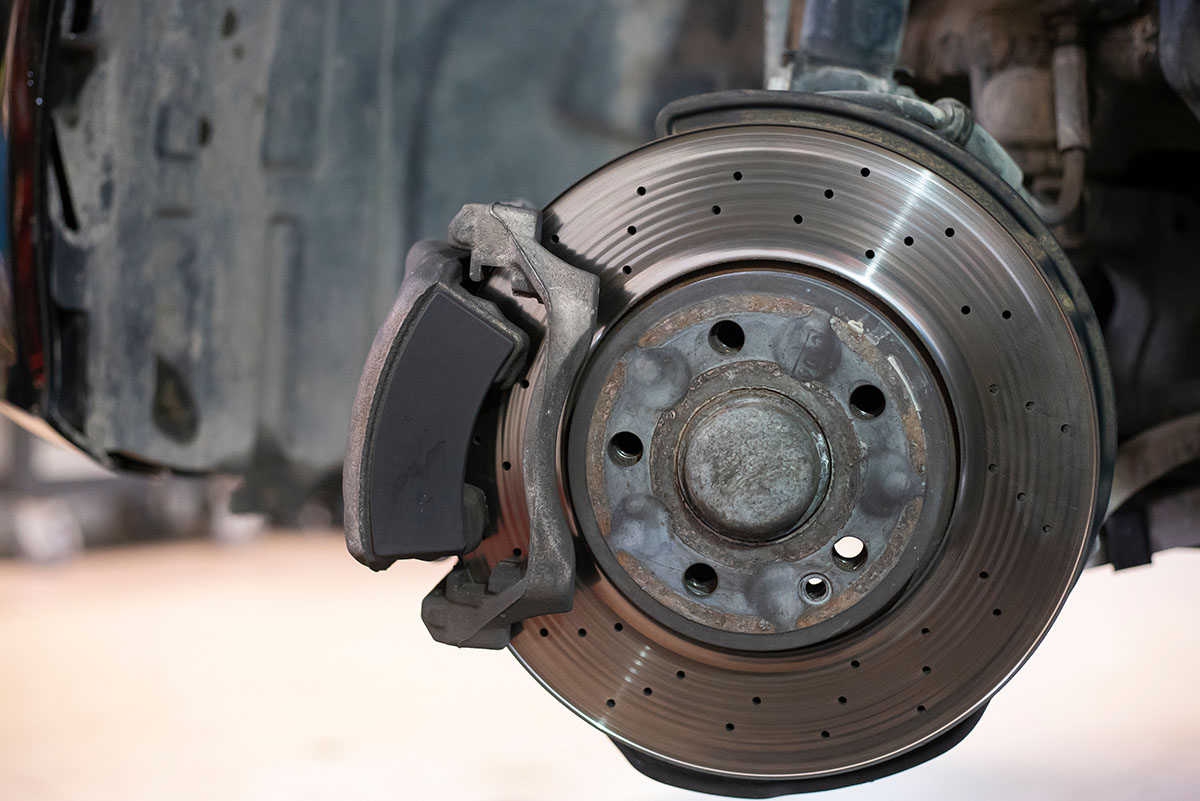
Your brakes are one of the most important safety systems on your vehicle. Every time you slow down, stop at an intersection, or navigate winter roads, your brake pads are working hard to keep you safe. Because brake pads wear down gradually over time, many drivers don't realize there's a problem until braking performance starts to suffer.
Knowing the warning signs of worn brake pads can help you avoid more expensive repairs, improve safety, and keep your vehicle performing as it should. If you're wondering whether it's time for a brake inspection or brake repair, here are the most common signs to watch for.
What Do Brake Pads Actually Do?
Brake pads are designed to create friction against the brake rotors when you press the brake pedal. This friction slows the wheels and brings your vehicle to a stop.
Over time, that friction causes the brake pad material to wear away. This is completely normal and expected. Eventually, however, the pads become too thin to perform effectively and need to be replaced.
Ignoring worn brake pads can lead to rotor damage, reduced stopping power, and more costly brake repair work later on.
How Long Do Brake Pads Typically Last?
There's no single answer because brake pad lifespan depends on several factors, including:
- Driving habits
- Vehicle type
- Road conditions
- Traffic conditions
- Brake pad material
In general, most brake pads last somewhere between 40,000 and 80,000 km.
Drivers who frequently stop in heavy traffic may need replacement sooner, while highway drivers often get more life out of their brakes.
This is why regular vehicle inspection appointments are important. They allow a mechanic to measure brake wear and identify issues before they become serious.
Squealing or Squeaking Brakes
One of the earliest warning signs of worn brake pads is a high-pitched squealing or squeaking noise when braking.
Many brake pads are manufactured with built-in wear indicators. These indicators create a squealing sound when the pads become thin enough to require replacement.
If you hear:
- Squealing while braking
- Persistent squeaking
- Brake noise that wasn't there before
it's a good idea to schedule a brake inspection.
While squeaking doesn't always mean your brake pads are completely worn out, it's often a sign that they're nearing the end of their service life.
Grinding Sounds When Braking
Grinding is a much more serious warning sign.
If brake pads wear completely through, the metal backing plate can begin contacting the brake rotor directly. This creates a grinding noise that often sounds harsh and unmistakable.
When this happens:
- Brake performance decreases
- Rotor damage can occur
- Repair costs increase significantly
A simple brake pad replacement can quickly turn into a larger brake repair involving rotors and additional components.
If you hear grinding, it's best to have the vehicle inspected immediately.
Longer Stopping Distances
Another common sign of worn brake pads is increased stopping distance.
If you notice that:
- The vehicle takes longer to stop
- You need to press the brake pedal harder
- Braking feels less responsive
your brake pads may be worn beyond their optimal range.
This issue becomes especially important during winter driving when road conditions are already challenging. Snow, ice, and reduced traction make effective brakes even more critical.
Brake Warning Lights
Many modern vehicles are equipped with brake system monitoring systems.
If a brake warning light appears on your dashboard, it should never be ignored. While the warning may not always indicate worn brake pads specifically, it often points to a brake-related issue that requires professional inspection.
A qualified mechanic can determine whether the warning is related to:
- Brake pad wear
- Brake fluid levels
- Electronic brake system issues
- Other brake components
The sooner the issue is diagnosed, the easier it typically is to fix.
Vibration While Braking
If your steering wheel or brake pedal vibrates while braking, there may be a problem with the braking system.
Although vibration is often caused by warped brake rotors, worn brake pads can contribute to uneven braking performance that accelerates rotor wear.
Common symptoms include:
- Steering wheel shake
- Pulsation in the brake pedal
- Vibration during highway braking
These symptoms should be inspected promptly to prevent further damage.
Visibly Thin Brake Pads
In some cases, you can visually inspect your brake pads through the wheel openings.
Most brake pads should have several millimetres of friction material remaining. If the material appears very thin, replacement may be necessary.
However, brake inspections are best left to professionals who can accurately measure pad thickness and inspect the entire braking system.
A proper vehicle inspection can also identify issues with:
- Rotors
- Calipers
- Brake hoses
- Brake fluid
This ensures the entire system is operating safely.
Why You Shouldn't Wait Too Long
Some drivers delay brake repair because the vehicle still seems to stop normally. Unfortunately, waiting too long often leads to more expensive repairs.
Replacing brake pads early helps:
- Protect the rotors
- Maintain stopping performance
- Improve safety
- Reduce repair costs
Once rotors become damaged, repair costs increase because additional components may need replacement.
Preventative maintenance is almost always more affordable than waiting for a complete brake system failure.
How Often Should You Have Your Brakes Inspected?
A good rule of thumb is to have your brakes inspected during routine maintenance visits or at least once per year.
You should also consider a brake inspection if:
- You're preparing for winter driving
- You're planning a long road trip
- You notice any braking changes
- Your vehicle has high mileage
Regular inspections help catch wear early and allow you to plan repairs before they become urgent.
Final Thoughts
Brake pads don't last forever, but they usually provide plenty of warning before they need replacement. Squealing, grinding, vibration, longer stopping distances, and dashboard warning lights are all signs that it's time to have your brakes checked.
The safest approach is to address brake concerns early. Regular inspections and timely brake pad replacement help keep your vehicle safe, improve braking performance, and prevent more expensive repairs down the road.
If you're unsure about the condition of your brakes, a professional inspection can quickly determine whether your brake pads still have life remaining or if it's time for replacement.